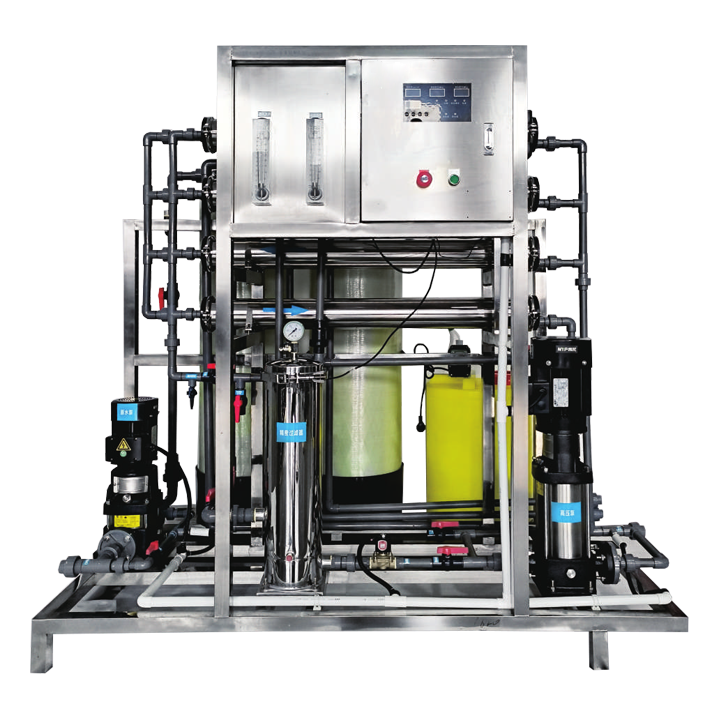

With the implementation of the new version of *General Requirements for Safety and Performance of Medical Device Sterilization Equipment* and the accelerated advancement of green hospital construction, dedicated medical steam generators have entered a peak period of technological iteration. The equipment is transforming from traditional "basic heating" to "core of sterility assurance + energy efficiency coordination unit," achieving precise adaptation in scenarios such as surgical instrument sterilization, traditional Chinese medicine preparation, and medical environment regulation, thus providing key support for improving improvement of medical service quality and low-carbon operation.
Aseptic Technology Breakthroughs to Meet Strict Medical Sterilization Standards
The extreme requirements of the medical field for steam cleanliness and stability have driven multiple innovations in aseptic technology for steam generators. For high-temperature and high-pressure sterilization of surgical instruments, the new-generation equipment adopts a "triple filtration + all-stainless steel flow channel" design, controlling the steam moisture content below 0.5% and achieving a particle filtration precision of 0.1μm, completely eliminating the risk of impurity residue. Meanwhile, frequency conversion combustion technology is used to ensure that the steam pressure fluctuation during sterilization does not exceed ±0.02MPa, meeting the strict requirements for temperature and pressure stability in the ISO 17665-1 medical device sterilization standard.
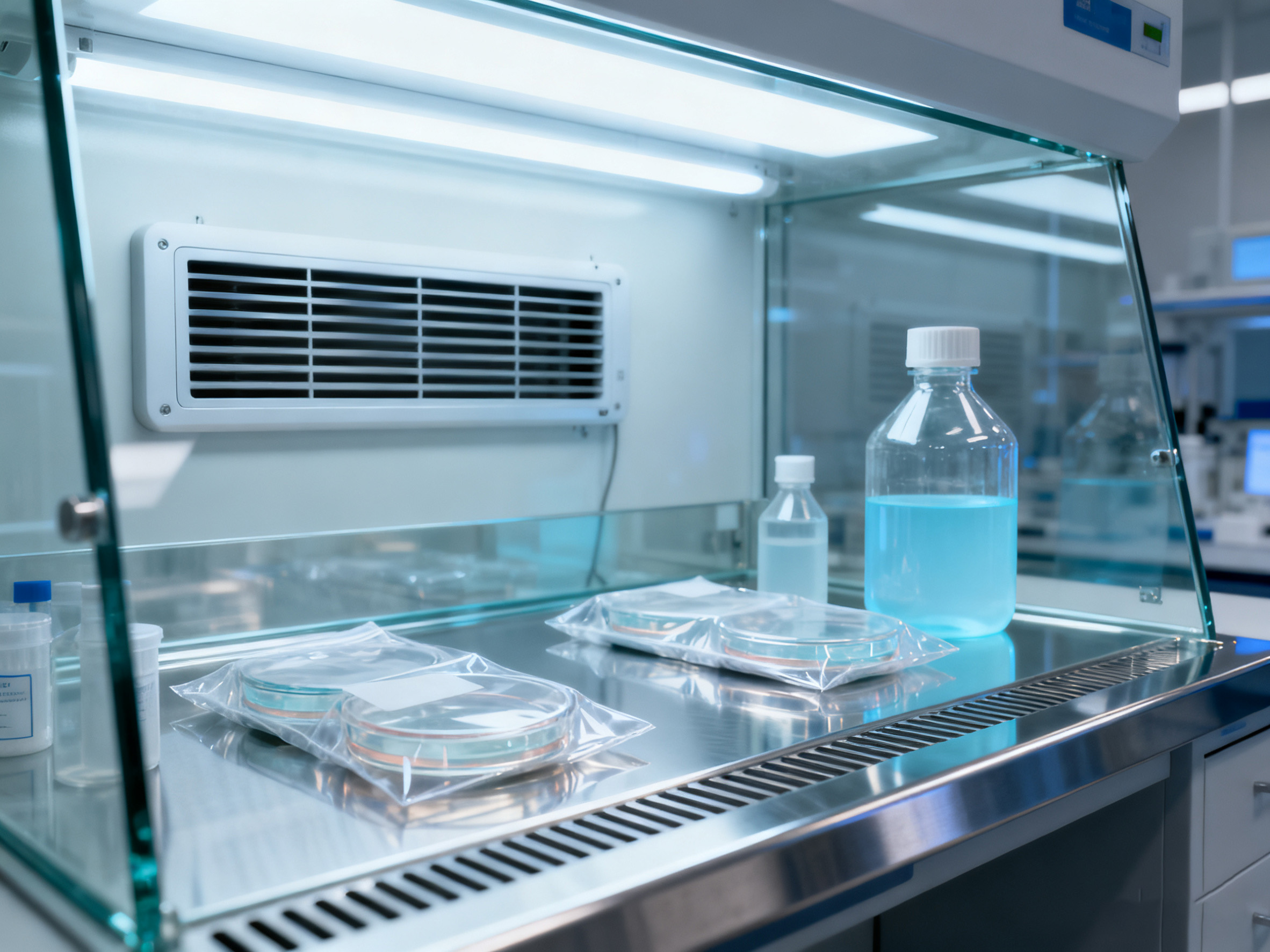
In biosafety laboratory scenarios, the equipment has further upgraded the "negative pressure isolation + real-time monitoring" system. The steam generation unit is isolated from the laboratory environment by negative pressure to avoid cross-contamination. The built-in microbial sensor can real-time detect the microbial content in the steam, and the data is synchronously uploaded to the hospital infection control platform. In case of abnormalities, the equipment will automatically shut down immediately, providing safety guarantees for biological sample processing and pathogen research. Industry monitoring data shows that in 2025, medical steam generators adopting new aseptic technologies have helped hospitals raise the sterilization qualification rate to 99.98% and reduce the incidence of infection control-related adverse events by 32%.
Customized Design Responds to Special Medical Needs, Significantly Enhancing Scene Adaptability
In response to the diverse scenario needs in the medical field, steam generators have launched a series of customized solutions. In the production process of traditional Chinese medicine preparations, the equipment is equipped with "gradient temperature control + precise timing" functions. It can automatically adjust the steam temperature (50-130℃) and supply duration according to different process stages such as decoction, concentration, and extraction. Cooperating with the intelligent stirring linkage system, it increases the extraction rate of active ingredients in traditional Chinese medicine by 15%-20% while reducing medicinal material loss, facilitating the standardized production of traditional Chinese medicine.
The special needs of hemodialysis centers have also been addressed. Considering the extremely high requirements for steam purity in dialysis water preparation, dedicated steam generators adopt a "deionized water pretreatment + fully enclosed circulation" design, ensuring that the resistivity of steam condensate reaches 18.2MΩ・cm, which meets the YY 0572-2025 *Water for Hemodialysis and Related Therapies* standard and avoids the impact of impurities in water on dialysis effects. In addition, the equipment is equipped with a silent operation module, controlling the operating noise below 55 decibels to create a quiet treatment environment for patients.
Green Synergy Integrates into Hospital Operations, Aiding Low-Carbon Medical Construction
Driven by the "dual carbon" goals, medical steam generators have become an important part of low-carbon hospital operations. Hospitals in many regions have linked steam generators with waste heat recovery systems and photovoltaic power supply systems to build an energy recycling model: by recovering waste heat from hospital central air conditioning and hot water systems, they preheat the feed water for steam generators, reducing fuel consumption; during periods of sufficient sunlight, photovoltaic power is used to drive the auxiliary systems of the equipment, further reducing carbon emissions. Data from a tertiary hospital shows that such a collaborative scheme reduces the energy consumption of steam generators by 28% and cuts carbon emissions by approximately 120 tons annually.
At the same time, the intelligent management of the equipment is connected to the hospital energy monitoring platform. By real-time uploading data such as steam output, energy consumption, and fault warnings, it helps hospitals accurately regulate energy distribution and optimize operating costs. Industry experts stated that in 2025, dedicated medical steam generators are developing towards "higher cleanliness, stronger customization, and better green performance." In the future, with the integration of technologies such as hydrogen heating and AI energy efficiency optimization, they will further provide impetus for the high-quality and low-carbon development of the medical industry.